
What's New...
Oct. 2, 2026 - Des Places Day
On October 2 every year, the Spiritans remember a young seminarian, Claude-François Poullart des Places (1679-1709). Claude was not yet an ordained priest when he founded the Spiritans on Pentecost Sunday, 1703 but he had a deep calling to form a community of young men who would be dedicated to the Holy Spirit and who would minister to the poor and be willing go to where ever they were most needed by the Church. Soon this little community flourished as more people were attracted to the simple lifestyle and the dedication of the Spiritans. By 1732, the first Spiritan was sent to Canada.
The Spiritans invite you to join us in our novena of prayer from September 23 to October 1 as we prepare for Des Places Day.
Novena to Claude Poullart des Places.
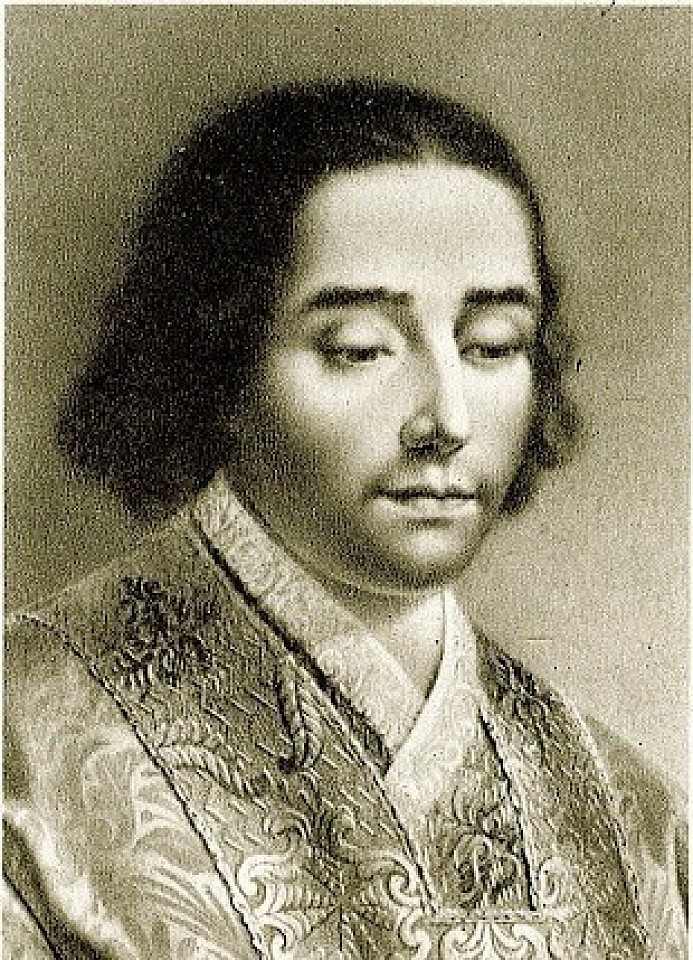
Claude-François Poullart des Places
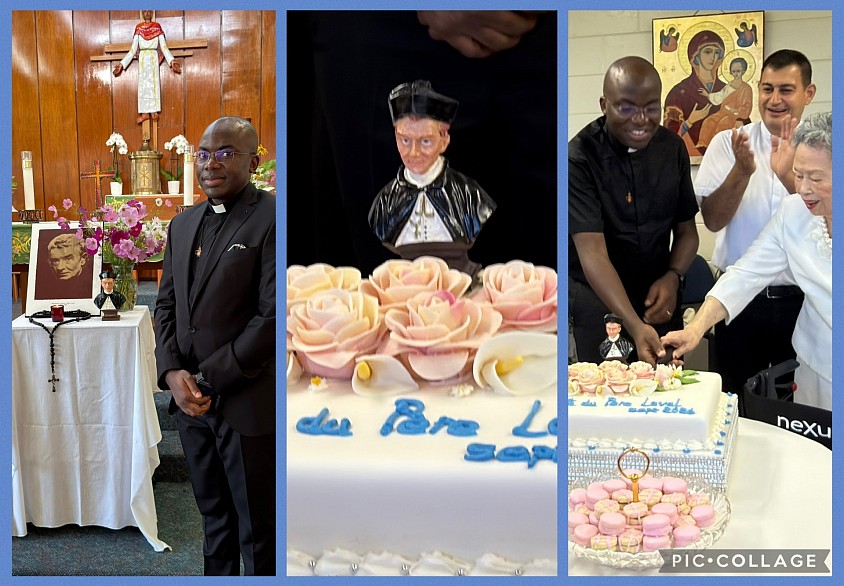
Laval Day Sept. 13, 2026: Fr. Boris Taguenang, CSSp celebrates the Feast of Blessed Jacques Laval (the Apostle of Mauritius) with the Mauritian community at St. Louis-de- France in Toronto.
New Arrivals Summer 2026
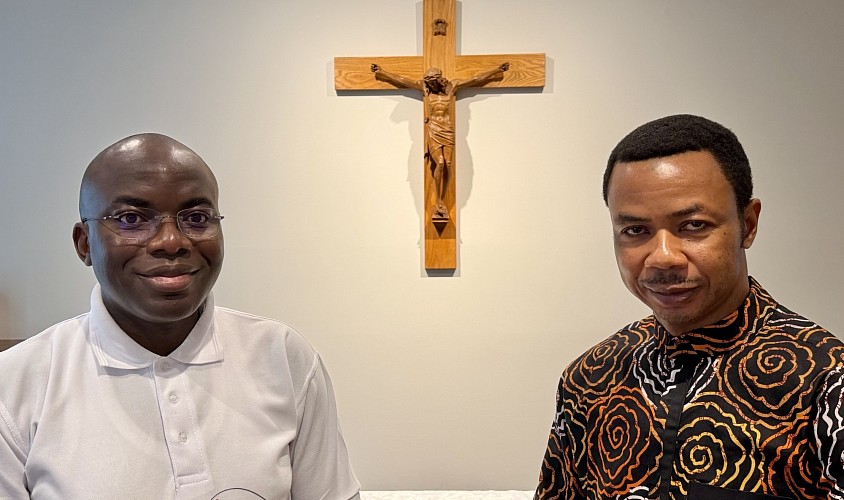
L-R: Fr. Boris Taguenang & Fr. Callistus Anagbogu
The Spiritans of TransCanada are happy to announce the recent arrivals of two confreres to begin ministry here, Fr. Boris Taguenang & Fr. Callistus Anagbogu. Fr. Boris (arrived May 25) is originally from Cameroon but ministered in Angola for a number of years. Fr. Callistus (arrived July 26) is from the Spiritan Nigeria S.E. Province and previously worked in northern Nigeria. We wish them blessings as they begin their Canadian ministry.
Message on the Month of the Blessed Mother1 May 2026His Eminence Frank Cardinal LeoMetropolitan Archbishop of Toronto
My Dear Brothers and Sisters,
May Jesus and Mary be in your souls.
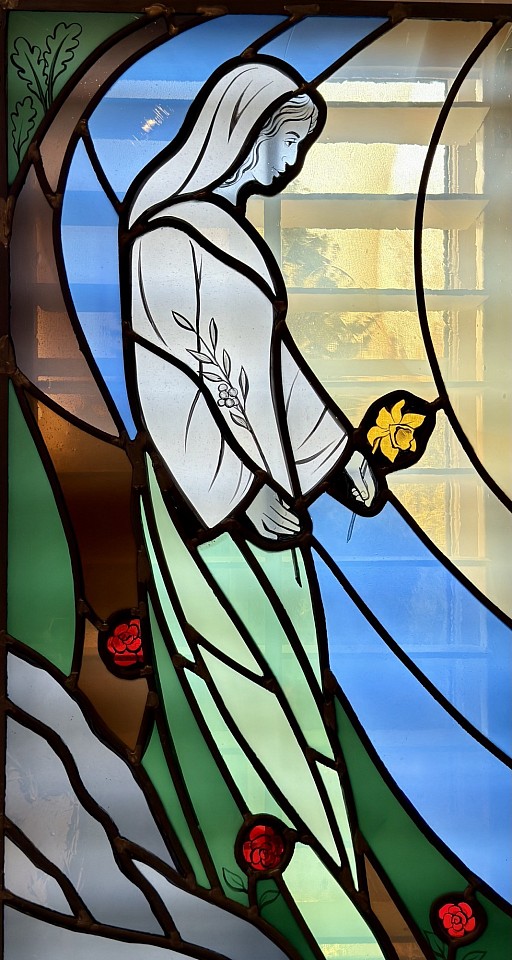
I am writing to you in anticipation of the month particularly dedicated to the Blessed Mother, the month of May. The origin of this dedication dates back many centuries. Historians point to the hymns of 13th-century Alfonso X “the Wise,” King of Castile and León, followed by the writings of 14th-century Dominican, Blessed Henry Suso, as being the seeds of the devotion to Our Lady in this month.
In the 16th century, the Benedictine Wolfgang Seidl published a volume on the devotions and teachings connected to May. At roughly the same time in Rome, St. Philip Neri was teaching the youth to honor Our Lady with songs, flowers, praises, and acts of virtue and mortification. However, it wasn’t until the Baroque period—the end of the 17th century in Italy and Germany—when we see this month develop significantly with the establishment of confraternities and devotions, including the singing of litanies and crowning statues with roses.
In the modern sense, the recognized initiator of the Marian Month per se, in terms of its formalization with daily prayers and practices, is the 18th-century Jesuit Fr. Annibale Dionisi in Rome. He was followed by other inspired pastors of souls, such as Archbishop G. M. Saporiti of Genoa and the Jesuit Fr. A. Muzzarelli. The holy Rosary, originally linked specifically to the month of October, is now introduced in May as well. By the beginning of the 19th century, this devotion had spread rapidly throughout Europe, the Americas, and the missions. It became a beautiful expression of the Church’s devotion to the Mother of Jesus and continues to inspire our faith, keep the fire of prayer alive, and challenge us to live lives of virtue and justice after the example of the Mother of God.
During these four weeks we are invited to contemplate the mystery of Our Lady’s life and to rediscover how her witness continues to illuminate the path of the Church. As our mother and model, Mary offers timely wisdom and guidance on what it means to be disciples of Christ whose lives are marked by spiritual discernment and apostolic action (cf. Lumen Gentium 63-65).
One of the defining characteristics of Mary’s life is her profound openness to the action of God. At the Annunciation, she received a mission that exceeded human understanding, yet she responded with a heart ready to cooperate with His divine plan (Lk 1:38; CCC 494). The Church recognizes in this moment a pattern of authentic discernment: attentiveness to God’s initiative, trust in His promises, and the courage to respond generously. These same attitudes are essential for us as we listen to the Holy Spirit in our own time (cf. Dei Verbum 5).
Mary’s fiat—her free and courageous “yes”—reveals the interior disposition at the heart of Christian discipleship. God initiates, grace is offered, and we respond in freedom. We are reminded that freedom is not the ability to do anything whatsoever, but the ability to choose what is good (Veritatis Splendor 35; CCC 1731-1733). The sacred dialogue between grace and freedom is central to the Christian life. As St. Augustine reminds us: “God created us without us: but he did not will to save us without us” (Sermo 169, 11, 13). Each day, in countless places, the Lord continues to speak to human hearts, inviting them into His saving work.
Mary also manifests a deep capacity for contemplation. St. Luke tells us that she “treasured all these words and pondered them in her heart” (Lk 2:19; CCC 2717). Her quiet attentiveness to the mystery unfolding before her reminds the Church that true discernment is never rushed. Like Mary of Nazareth, we are invited to cultivate spaces of prayer and reflection in our homes, schools, and communities so that the Word of God can take root and illuminate our way forward (Verbum Domini 86-88). Attentiveness to God’s voice requires humility, openness, and trust in the Holy Spirit.
Mary’s contemplative heart never withdraws from the needs of the world. Her life is marked by a readiness to respond when God calls her into service. From visiting Elizabeth after the Annunciation (Lk 1:39-45), to welcoming the shepherds in Bethlehem (Lk 2:16-19), to presenting the Child Jesus in the Temple (Lk 2:22-25), and standing faithfully beneath the Cross (Jn 19:25), Mary remains steadfast in Christ’s saving work (cf. Lumen Gentium 58). Authentic discernment always leads to witness and action (Evangelii Gaudium 120), even when we are unsure of God’s will or hesitant to respond.
The month of May invites us to put aside our doubts, insecurities, and fears; to renew our own response to God’s call. Standing spiritually beside Mary, we learn the courage of her surrender and the confidence of her faith (Redemptoris Mater 14-15). The same Holy Spirit who overshadowed her (Lk 1:35) desires to form Christ anew in us (cf. Gal 4:19). In her faith, we learn to welcome God’s action in our lives. In her humility, we discover the freedom that allows the Spirit to work in us. In her fidelity, we see the perseverance needed to remain close to Christ in times of uncertainty.
My prayer for the faithful of the Archdiocese of Toronto is that, especially this month, we reflect on how to honor Mother Mary, allowing her witness to illuminate our daily lives and vocations. May we journey under her maternal care with renewed openness to the Holy Spirit.
A Primer for Ash Wednesday & Lent

LENT is time given to us by the Church for spiritual renewal, as we recall the 40 days spent by Jesus in the desert in prayer and fasting. It is a time of inner conversion. There are 4 essential elements emphasized during Lent:
- Prayer
- Fasting
- Charity
- Reconciliation
Prayer
Jesus goes into the wilderness to get away from it all. During Lent we are called to spend some more time in prayer. We are challenged “to unplug” for a little while. We need to get away sometimes from distractions and reflect on our lives and listen to what God is trying to say to us. Nearly all times, cultures, and peoples practice meditation and prayer when making important decisions about life.
Fasting
We might “give up” something for Lent. Jesus in the desert went without food. When we are too full of things, there is no room for God, no room for others, no room for self. Appreciation becomes dulled. What if we are never hungry, never short of anything, never without?
Charity
From Latin "caritas" - the heart, love. Lent challenges us to put our faith into practice by works of charity, doing something heartfelt. We can volunteer for some charity or we can make a sacrifice of money “alms giving.” It could even be that we resolve to visit somebody who is lonely and spend time with them.
Reconciliation
Reconciliation is about fixing a broken relationship. Is there somebody with whom we have had a fight and no longer talk to? Lent could be a time to reach out and mend that relationship. In the context of our Faith, our sins damage our relationship with God and the Church, the Body of Christ. The Church asks us to examine our conscience during Lent and to ask forgiveness through the Sacrament of Reconciliation (Confession).
How the Roman Catholic Church arrives at 40 Days of Lent
Even though the calendar span from Ash Wednesday to Holy Saturday is 46 days, the Church still calls Lent “40 days.” Here’s why.
1. The Biblical Model: Jesus’ 40 Days
The foundational reason is symbolic: Lent imitates the 40 days Jesus fasted in the wilderness before beginning his public ministry. This number also echoes other biblical “40s”:
• 40 days of the Flood
• 40 years in the desert
• 40 days Moses spent on Sinai
So the Church wanted a penitential season shaped around that number.
2. Why the Count Doesn’t Match the Calendar
From Ash Wednesday to Holy Saturday = 46 days. But Sundays are never counted as fast days. Why? Because every Sunday is considered a “little Easter”—a celebration of the Resurrection—so they cannot be penitential fast days.
So:
46 \text{ total days} - 6 \text{ Sundays} = 40 \text{ days of fasting}
This is how the Western Church maintains the symbolic 40-day fast even though the season spans more days on the calendar.
3. Historical Development
Early Christians fasted before Easter, but the length varied. Over time, the Western Church standardized a 40‑day fast to mirror Christ’s 40 days. By the Middle Ages, the structure was fixed:
• Lent duration: Ash Wednesday to Holy Saturday.
- Fasting Ends: Holy Thursday evening (the start of the Triduum), or Holy Saturday liturgically depending on tradition. Major Fasting and abstinence on Ash Wednesday & Good Friday. Sundays excluded from the fast.
Libermann Day - Feb. 2, 2026
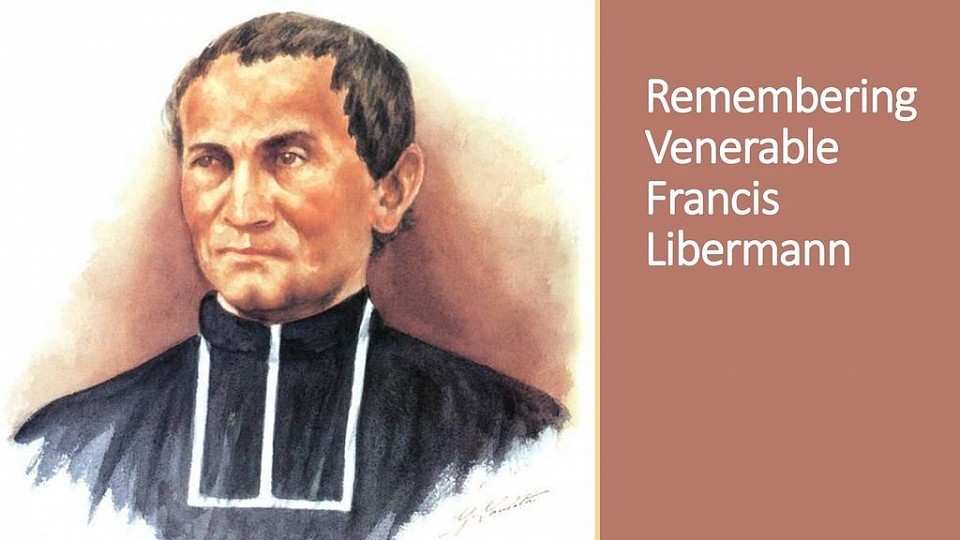
The Spiritans around the world celebrate with thanksgiving the life of the venerable Fr. Francis Libermann, CSSp, (1802-1852) who is considered to be “The Second Founder of the Spiritans.” By merging his missionary Society of the Holy Heart of Mary with the Congregation of the Holy Ghost, he gave new life to the Spiritans and opened the way for a new wave of missionary evangelization.
This year is special as it is the bicentennial of the baptism of Francis Libermann. The theme of our Congregational Novena this year is:
Seized by Grace: From Crying Out to God to Surrendering to Christ
Novena for Libermann Day (From Jan. 24 - Feb. 1, 2026)
Pentecost Sunday 2025
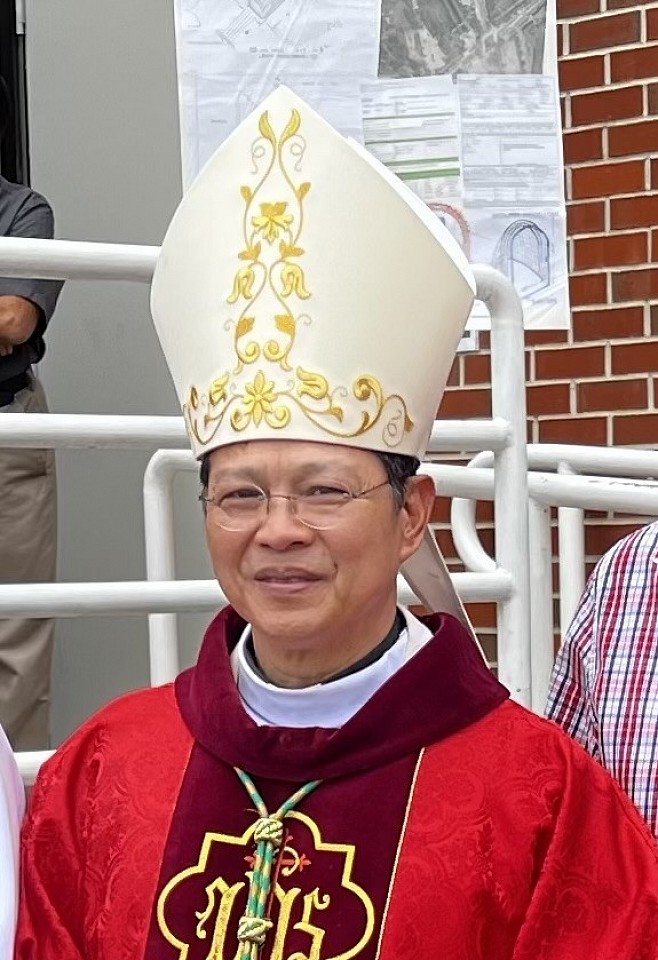
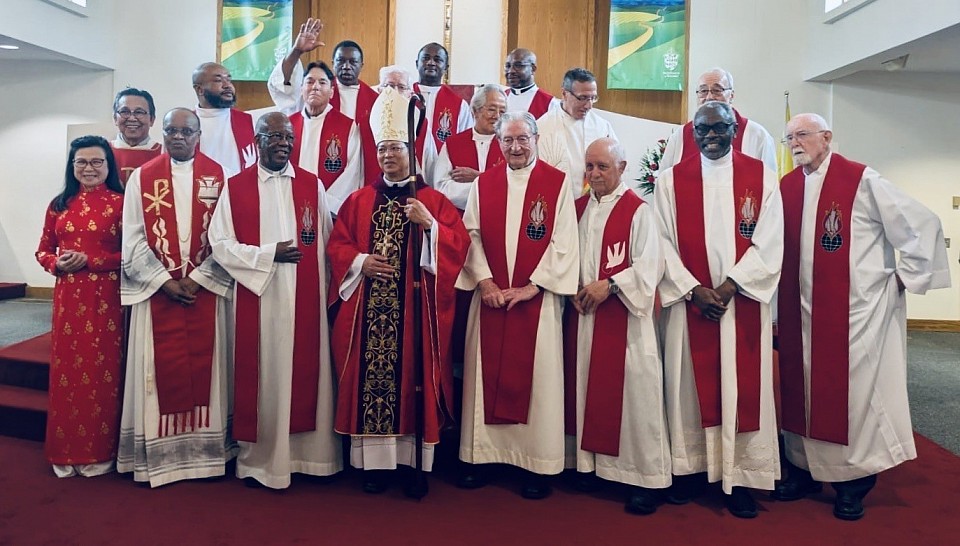
On Sunday June 8th, 2025 (Pentecost Sunday), the Spiritans were blessed by the presence of Bishop Vincent Nguyen, Auxiliary Bishop of the Archdiocese of Toronto (Eastern Region) who presided at our Mass at St. Joseph’s Parish, Highland Creek. In his homily, the Bishop reminded us of the importance of recognizing that the Holy Spirit is constantly active in our ordinary lives and any of our actions of love and compassion are guided by the Spirit and are a manifestation of Christ alive in the Church. Pentecost, the birthday of the Church, is the foundation date of the Spiritans, founded in 1703 in France by Claude-François Poullart des Places in order to minister to the forgotten of society.
TransCanada Spiritan Chapter 2024
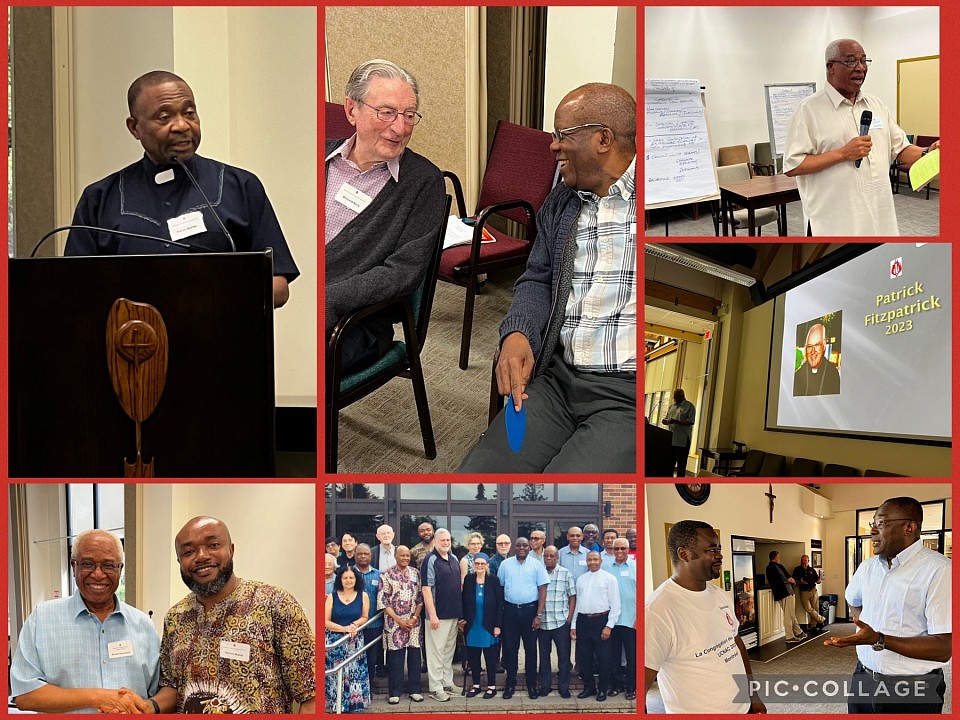
From July 8th to 12th, the Spiritans of the TransCanada Province gathered at Queen of Apostles Retreat Centre in Mississauga, Ontario for a meeting known as a “Chapter.” Over 30 Spiritan confreres and Lay Spiritans attended, including our Superior General and his 1st Assistant from Rome (Fr. Alain Mayama, CSSp & Fr. Jeff Duaime, CSSp). Also in attendance, as observers, were the Provincial Superiors from both the USA & Quebec. The Chapter moderator was Fr. Michael Onwuemelie, CSSp, one of our Nigerian confreres working in California. This assembly takes place every four years and is a time of prayer, information sharing, discussion and discernment of our ministries. We try our best to listen to the prompting of the Holy Spirit and see what changes we need to make to best respond to the needs of the people here in Canada. Are there ministries we are doing now that are no longer necessary or relevant? Are there new ministries to which we are being called? How will we best be able to carry out any new commitments? How will we make the most use of our resources, both material and personnel? These were among the questions we discussed during this important week of renewal. During the week, we also re-elected our present Provincial Superior, Fr. Oliver Iwuchukwu, CSSp and suggested appointments for our Provincial Council. As we departed on the Friday afternoon, the mood and the spirit of the confreres and our Lay Spiritans was positive and we felt affirmed to go forward in the mission of our congregation. “Cor Unum et Anima Una” - One Heart & One Soul, the motto of our congregation.

Fr. Alex Osei (Provincial Bursar) thanks our Superior General, Fr. Alain Mayama
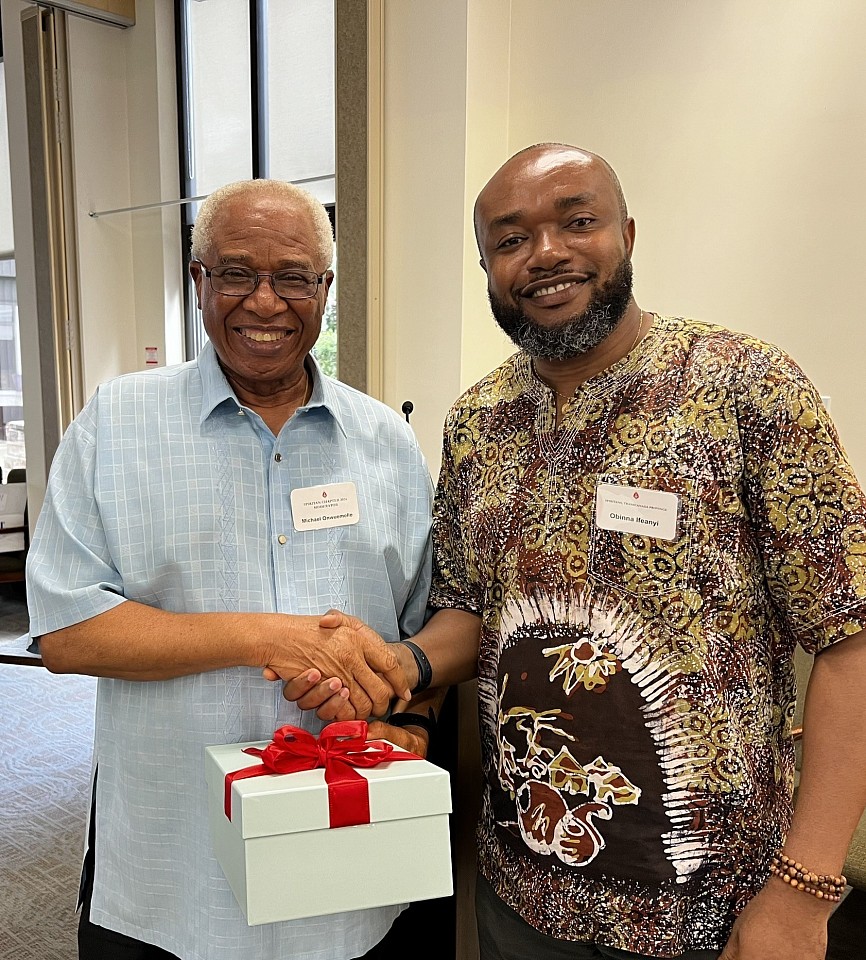
Fr. Michael Onwuemelie (Chapter Moderator) is thanked by Fr. Obinna Ifeanyi
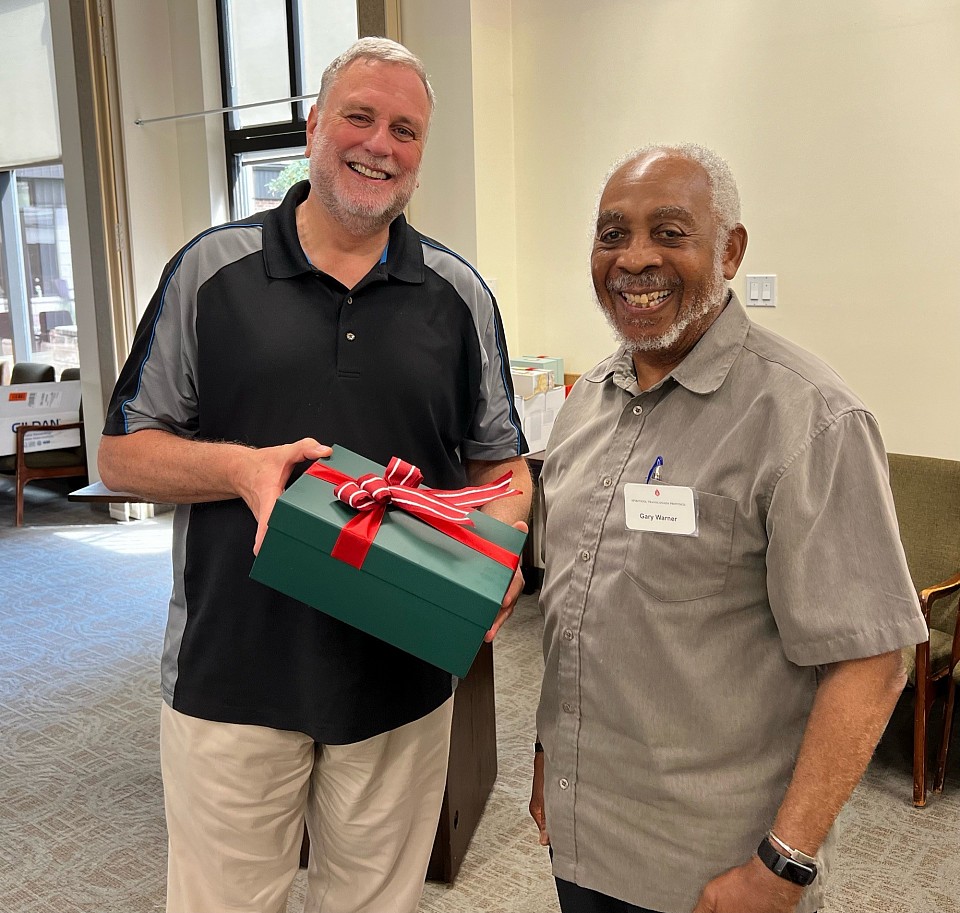
Fr. Jeff Duaime (Congregational 1st Assistant) is thanked by Gary Warner (Lay Spiritan)
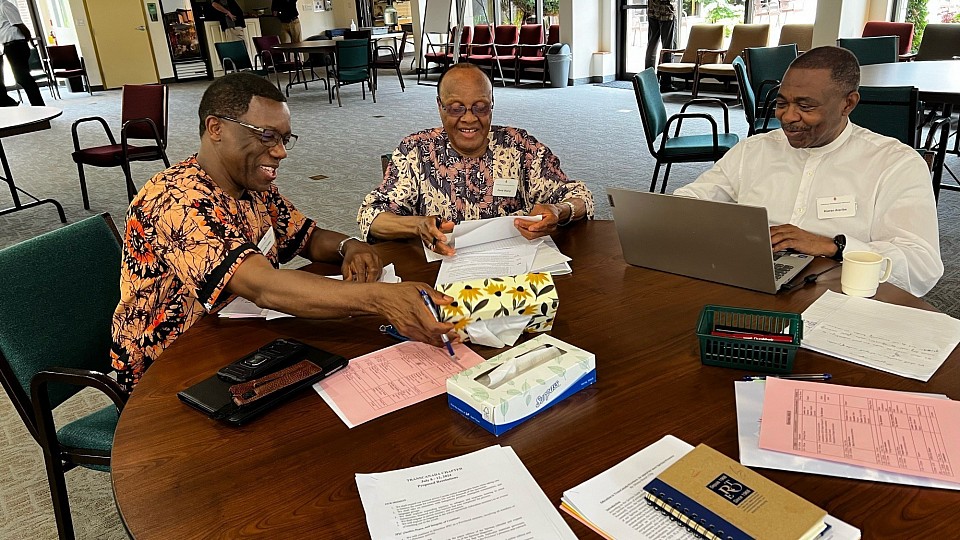
Spiritan confreres comparing notes in between Chapter sessions
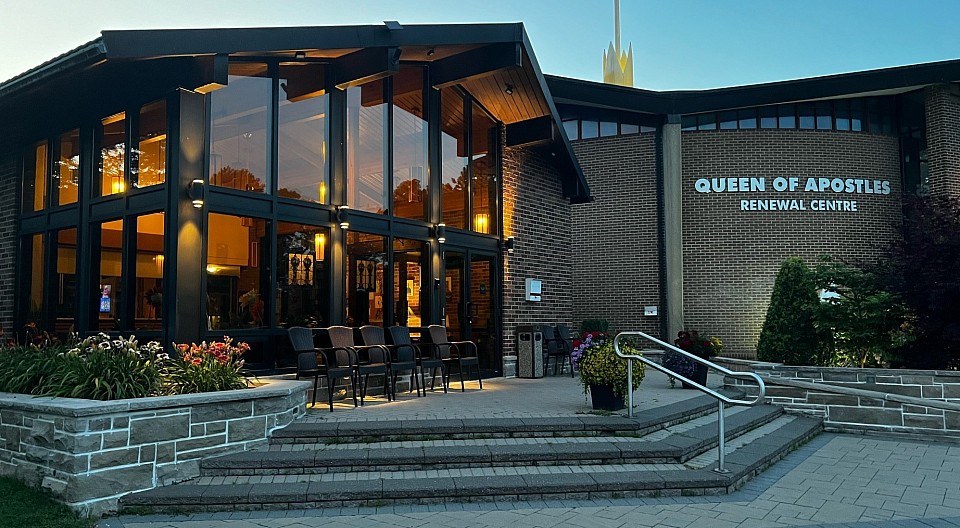
Queen of Apostles, Mississauga, Ontario
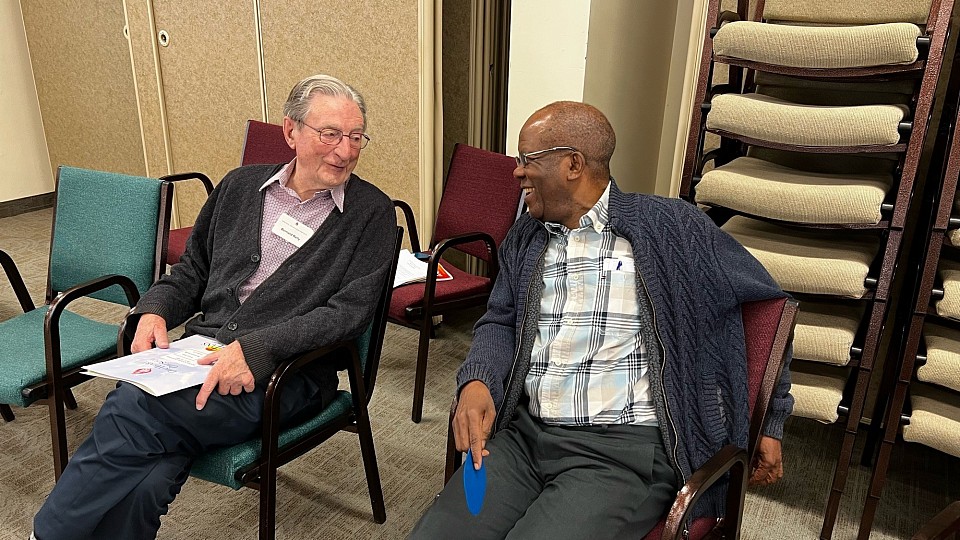
Fr. Barney Kelly chatting with our Provincial Superior, Fr. Oliver Iwuchukwu

Manresa Retreat Centre, Pickering, ON
TransCanada 2023 Advent Retreat & Dinner
For the first time since COVID, the TransCanada Spiritan confreres & Lay Spiritans were able to be together for our Advent retreat held at the Jesuit Manresa Retreat Centre in Pickering, ON. Later in the evening, the confreres and Lay Spiritans gathered with some of our staff, friends, and supporters at our annual Advent appreciation dinner held at St. Joseph’s church in Highland Creek, ON.
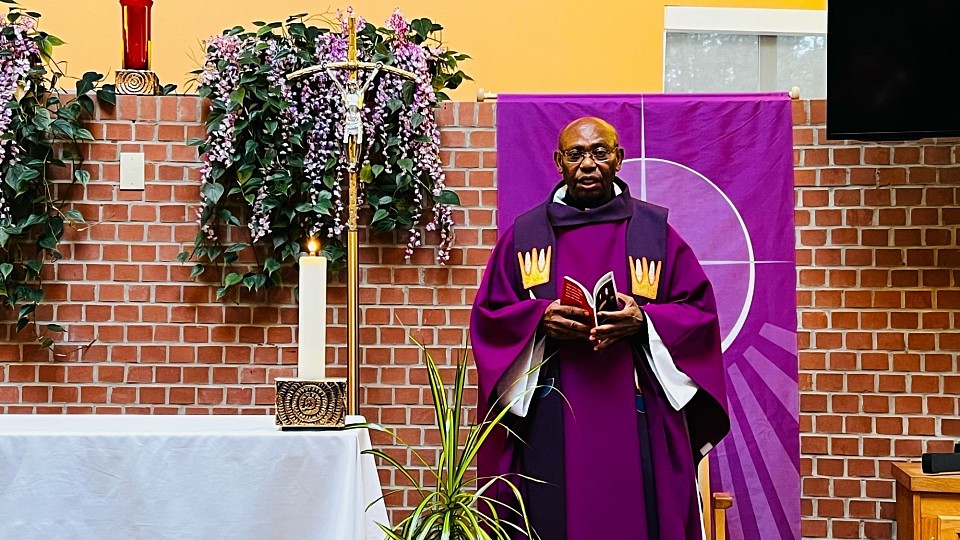
Fr. Jude Ogbenna, CSSp our retreat moderator - annual Spiritan Advent retreat, December 11, 2023
Manresa Retreat Centre, Pickering, ON
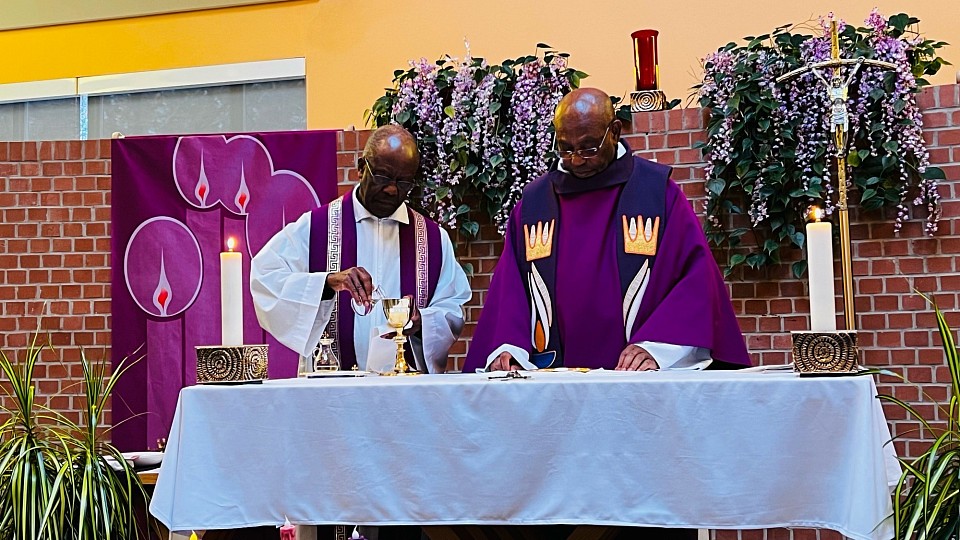
Fr. Oliver Iwuchukwu, CSSp & Fr. Jude Ogbenna, CSSp - annual Spiritan Advent retreat, December 11, 2023
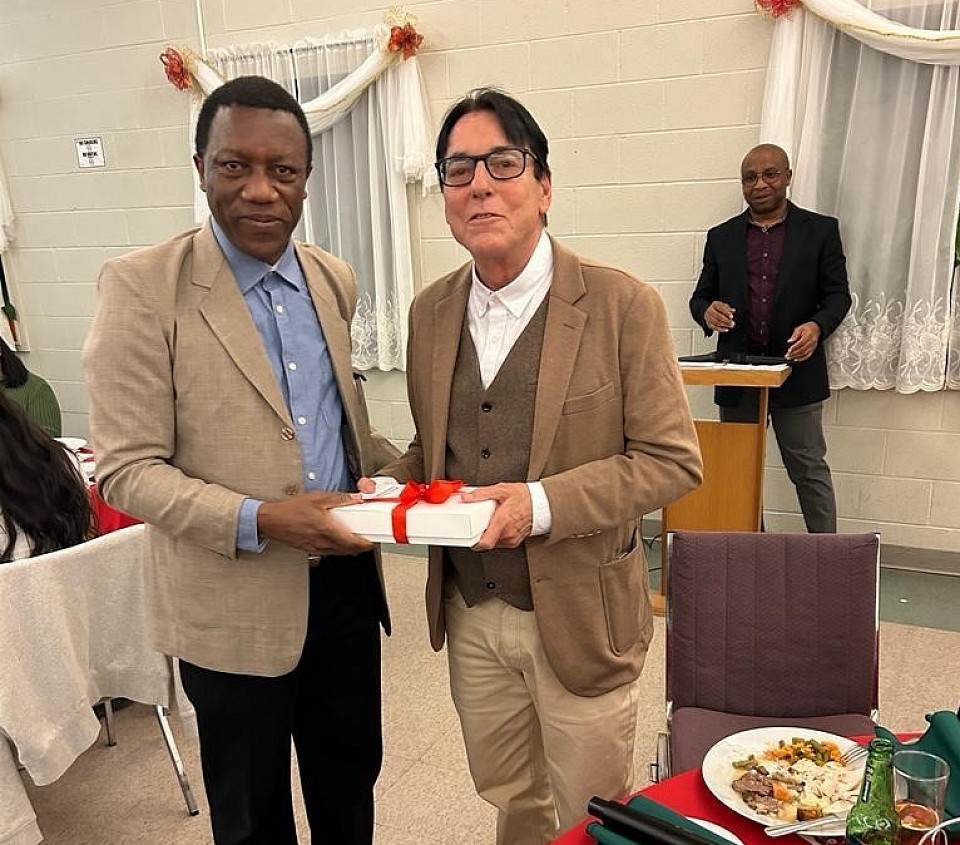
Fr. Francis Folleh, CSSp (former Provincial Superior) presents appreciation award to Fr. Paul McAuley, CSSP at the annual Spiritan Advent dinner, December 11, 2023
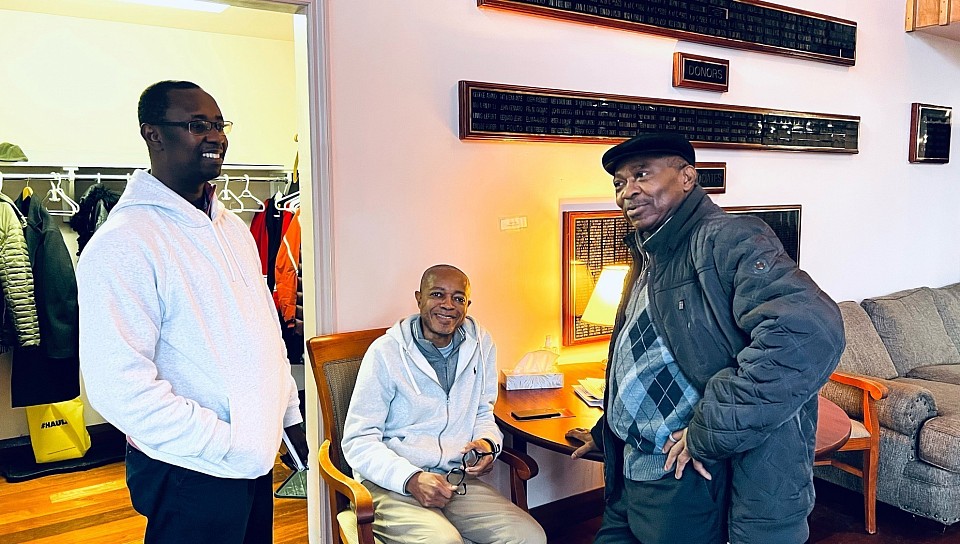
Spiritans recently appointed to TransCanada, Fr. Percy Acqua, Fr. Edward Okorie, Fr. Kieran Alaribe at the annual Spiritan retreat, December 11, 2023
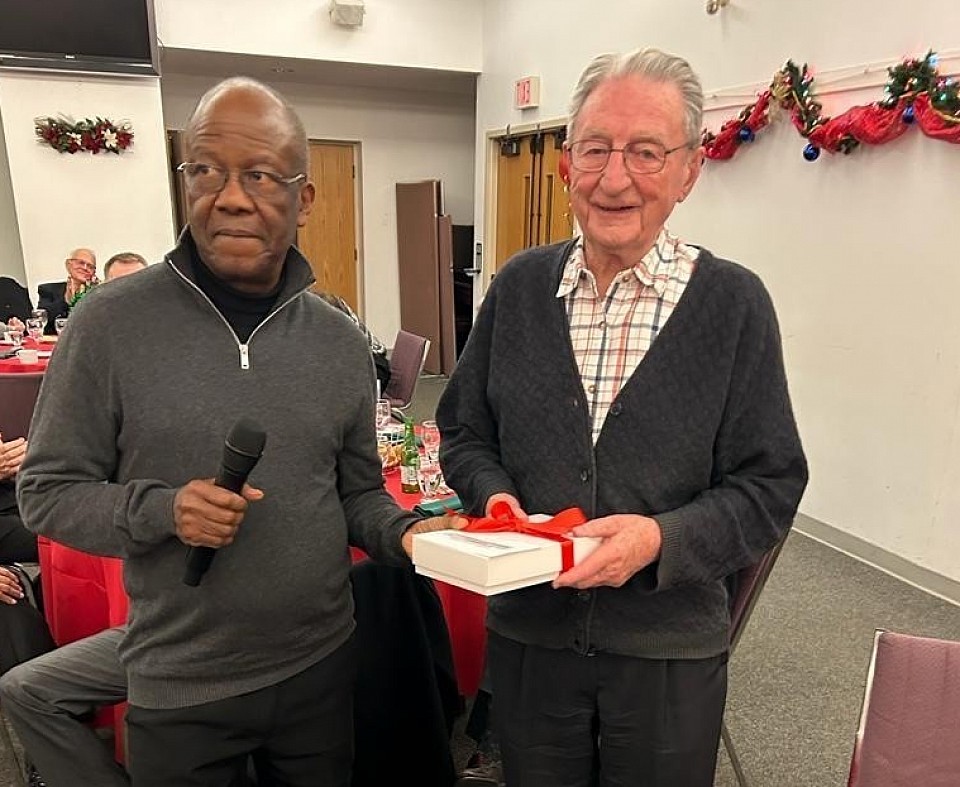
Fr. Oliver Iwuchukwu, CSSp (Provincial Superior) presents appreciation award to Fr. Barney Kelly , CSSP at the annual Spiritan Advent dinner, December 11, 2023
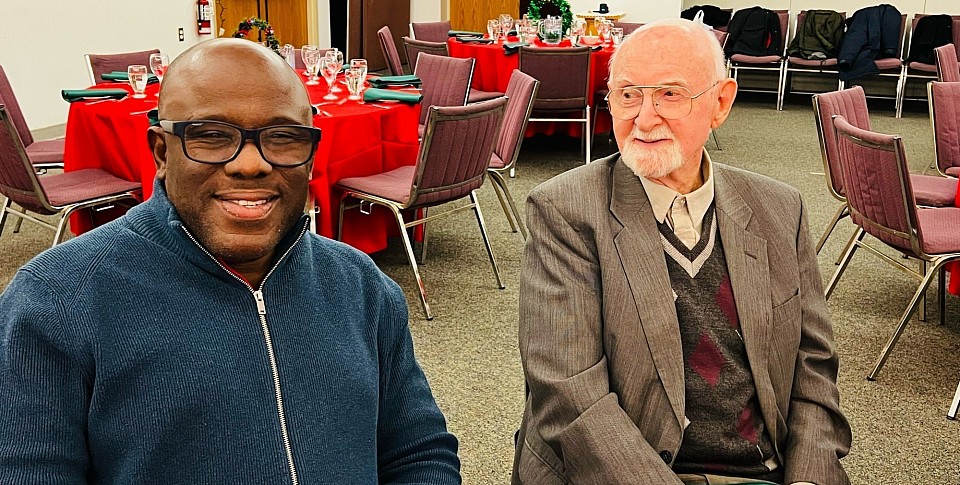
Fr. Dexter Brereton, CSSp & Fr. Louis Cassidy, CSSp - annual Spiritan Advent dinner, December 11, 2023

Fr. Darlington Oparaike, CSSp & Fr. Gabriel Ezewudo, CSSp - annual Spiritan Advent dinner, December 11, 2023
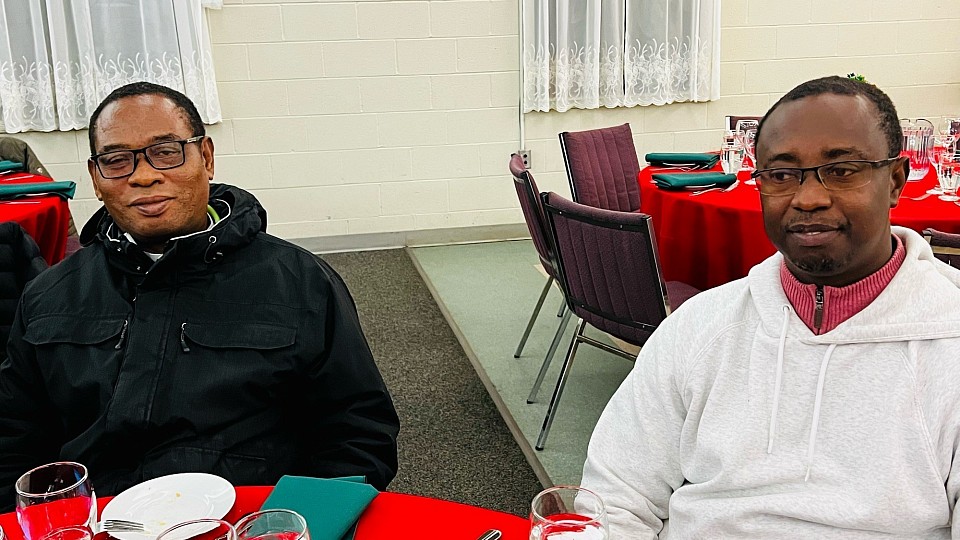
Fr. Anthony Dankor, CSSp & Fr. Percy Acqua, CSSp - annual Spiritan Advent dinner, December 11, 2023
Archbishop Francis Leo
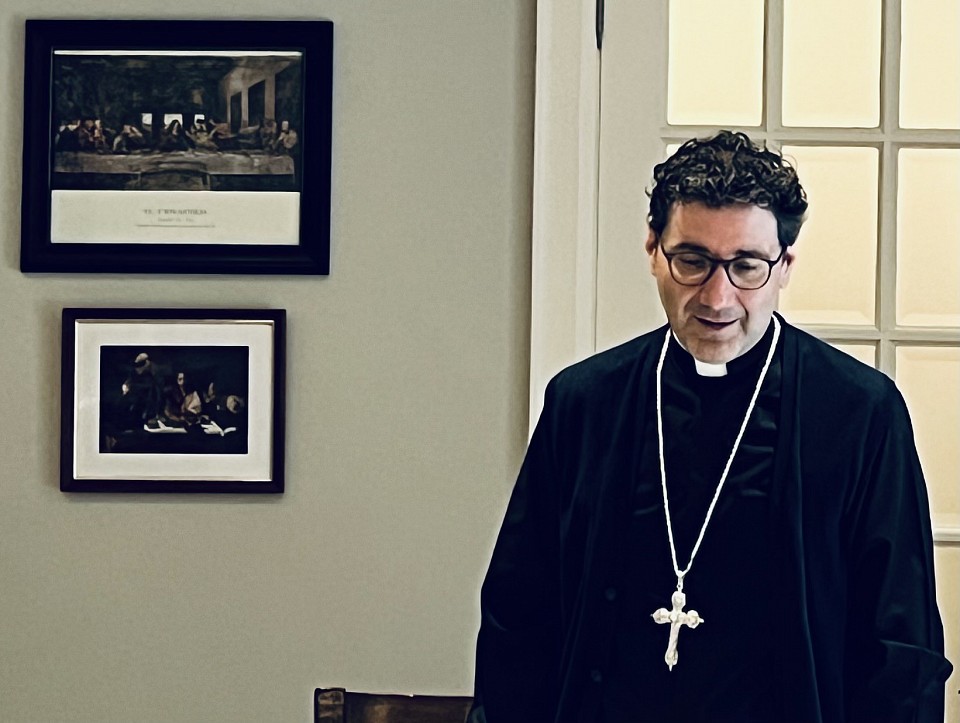
On Friday July 28th, 2023, the Spiritans were blessed with a visit by Archbishop Francis Leo, fairly recently appointed as Archbishop of the Archdiocese of Toronto. The visit was warm and informal as we gathered for a social followed by dinner. During his time at the Laval House community where we gathered, he got to meet each of us personally and he spoke of the wonderful contributions the Spiritans have made to the Archdiocese over the years. He highlighted the importance of having both missionary and Religious life represented in the Archdiocese and the witness we give drawn from our mission experience. He expressed gratitude and hope for a growth of the Spiritans here and in Canada. We are very grateful to Archbishop Francis for taking time from what must be a hectic schedule to spend the evening with us. We look forward to ongoing collaboration with the Archdiocese to bear witness to the Gospel. Our door is open and welcoming and we hope Archbishop Francis will visit us again and always feel at home.
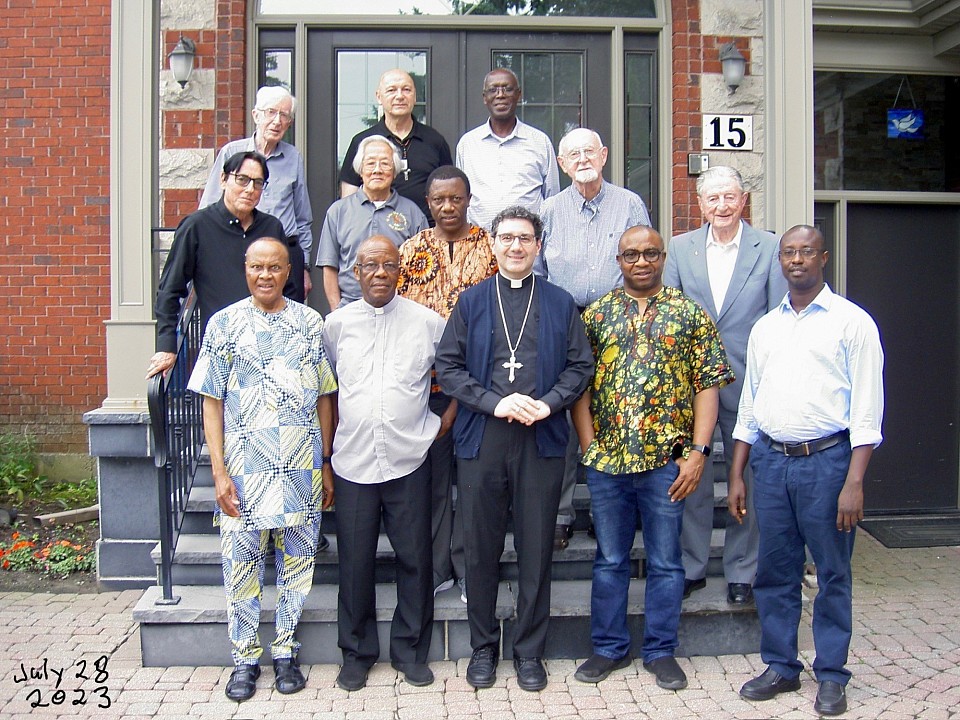
Spiritan confreres & Archbishop Francis at LAVAL HOUSE